Asia Minor, also known as Anatolia, is a large peninsula that extends from Asia toward Europe like a natural bridge. Because of its position between two continents, Anatolia has played an important role in history for thousands of years. It has been a meeting place of cultures, religions, and trade routes since ancient times.
The central part of Anatolia is a wide and gently rolling high plateau. This plateau is surrounded by mountain ranges that strongly influence the region’s climate. To the north lie the Pontic Mountains, and to the south the Taurus Mountains. These mountain chains block moist air from reaching the interior, which means the central plateau receives very little rainfall. Rain usually falls only during a short winter season, making much of the interior dry and difficult for farming Limited Archaeological Evidence.
Mountains, Rivers, and Climate
Along the Mediterranean Sea and the Black Sea, the coastline is generally steep, and deep, narrow bays where ships can safely anchor are relatively rare. This limited the number of good natural harbors in ancient times and affected maritime trade in some regions.
Eastern Anatolia is very different from the west. It is dominated by high mountains and rugged terrain. The most famous of these is Mount Ararat, which rises to 5,137 meters and is the highest mountain in Turkey. According to biblical tradition, Mount Ararat is the legendary resting place of Noah’s Ark, and even today it continues to attract explorers and researchers.
This mountainous region is also the source of important rivers. Between the high peaks flow the tributaries of the Tigris and Euphrates, two of the rivers traditionally associated with the Garden of Eden. These rivers would later support some of the earliest civilizations in human history.
Western Anatolia and Its Special Geography
In contrast to the east, western Anatolia has a very different landscape. It was known to the Romans simply as Asia, and it is this region that experienced a unique cultural and historical development. Here, the mountain ranges are shorter and run perpendicular to the sea. This natural arrangement allows rain clouds from the Aegean Sea to travel inland Private Bulgaria Tours Yachting.
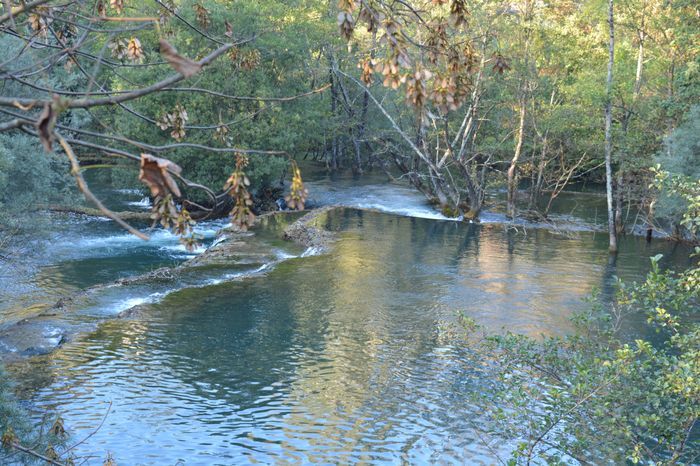
As a result, western Anatolia has fertile river valleys separated by low, worn-down hills. In spring, these rivers are fed by melting snow from the surrounding mountains, providing water for agriculture. This made the region highly suitable for settlement from prehistoric times onward.
Geography and Cultural Development
Because of its fertile land, mild climate, and access to the sea, western Anatolia became home to many great ancient cities, including Ephesus, Sardis, and Pergamum. These cities played key roles in trade, politics, religion, and later in the spread of Christianity.
The richness of the region is reflected in archaeological finds such as a gold figurine of a woman discovered at the Temple of Artemis in Ephesus, dating from the late seventh to early sixth centuries BCE. Today, this object is displayed in the Efes Archaeological Museum in Selçuk and reminds us of the long religious traditions that existed before Christianity.
The Meaning of Anatolia and Asia
The word Anatolia comes from the Greek word anatolē, meaning “east” or “sunrise.” It refers to the land where the sun rises. The name Asia may come from the Hittite term Assuwa, which was used to describe a western Anatolian region in ancient texts.