Saksagan


Historical Notice of the English Power in Aquitaine
Henry II and His Marriage to Eleanor
In 1152, Henry II, who had not yet become king of England, traveled to Aquitaine to pursue Eleanor,...

English Power in Aquitaine
Origin of English Control
The English power in Aquitaine began with the marriage of Henry II to Eleanor of Aquitaine, who was also the Countess...

Historical Notice of the English Power in Aquitaine
The history of England’s possessions in France, particularly in the region of Aquitaine, is often overlooked by general readers. These lands came under English...
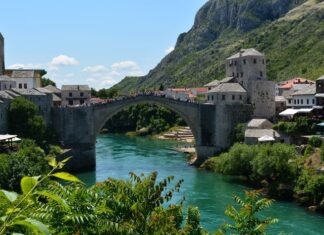
The Faithful Christians of Sardis
Although the church in Sardis is strongly criticized in the Book of Revelation, St John makes it clear that not all Christians in the...
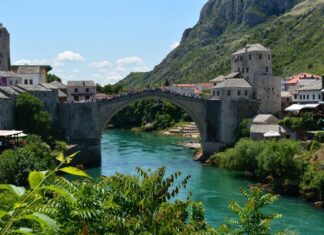
Unexcavated Remains of Sardis
A part of ancient Sardis still remains hidden underground. One section of the city has not yet been excavated and lies about two metres...

Croesus and the Persian Threat
In the middle of the sixth century BCE, King Croesus of Lydia became ambitious and greedy for lands beyond the Halys River, known today...

The Changing Landscape of Ephesus
When the first Temple of Artemis was built, the Cayster River had already begun to change the landscape of Ephesus. Over time, the river...
Ancient Ephesus and Its Origins
According to ancient tradition, the history of Ephesus begins in the eleventh or tenth century BCE. At that time, the first Greek settlers arrived...
Pressure on Christians and the Need for Encouragement
The establishment of emperor worship in western Anatolia created great pressure on Christian communities. Christians were expected to show loyalty to Rome by taking...
Historical Background
Asia Minor, also known as Anatolia, is a large peninsula that extends from Asia toward Europe like a natural bridge. Because of its position...